Transform Your Home: The Ultimate Guide to Residential Interior Design
Your home is not just a structure made of walls and rooms—it is a personal space that reflects who you are, how you live, and what you value. Residential interior design plays a crucial role in shaping this experience. A well-designed home doesn’t just look good; it feels right. It supports your daily routine, improves comfort, and creates an environment where you can truly relax and grow.
This guide will help you understand residential interior design in depth and show you how thoughtful design decisions can completely transform your living space.
What Is Residential Interior Design?
Residential interior design focuses on designing private living spaces such as apartments, villas, bungalows, and independent houses. The purpose is to create interiors that are functional, comfortable, aesthetically pleasing, and deeply personal.
Unlike commercial interiors, residential design prioritizes:
-
Emotional comfort
-
Lifestyle needs
-
Family dynamics
-
Personal taste
Every design decision—from furniture placement to lighting—should enhance how you live in your home every day.
Why Residential Interior Design Is Important
Many homeowners believe interior design is only about decoration. In reality, it directly affects your mental well-being, productivity, and quality of life.
A well-designed home can:
-
Reduce stress and mental fatigue
-
Improve movement and functionality
-
Enhance natural light and ventilation
-
Make small spaces feel more spacious
-
Increase property value
When your surroundings are well-organized and visually pleasing, your mind feels calmer and more focused.
Understanding Your Lifestyle Before Designing
Before selecting colors, furniture, or layouts, it’s important to understand how you use your home.
Ask yourself:
-
Do you work from home?
-
Do you entertain guests often?
-
Is the home for a family, a couple, or an individual?
-
Do you need more storage or open space?
Residential interior design should always be lifestyle-driven. A beautiful home that doesn’t support your daily habits will never feel comfortable.
Popular Residential Interior Design Styles
Choosing a design style gives direction and consistency to your home.
Modern Style
Modern interiors focus on clean lines, open spaces, neutral colors, and minimal décor. This style is ideal for urban homes and people who prefer a sleek, clutter-free environment.
Minimalist Style
Minimalism is about simplicity and clarity. It uses fewer colors, essential furniture, and open layouts to create calm and balance.
Scandinavian Style
This style combines simplicity with warmth. Light colors, wooden textures, natural materials, and cozy elements make the space inviting and comfortable.
Traditional Style
Traditional interiors emphasize rich textures, classic furniture, detailed finishes, and cultural elements. This style is timeless and elegant.
Contemporary Style
Contemporary design evolves with trends. It blends modern elements with current materials, colors, and forms.
You can also combine styles to create a unique and personalized interior.
Space Planning: The Foundation of Good Design
Space planning determines how efficiently your home functions. It involves organizing furniture, walkways, and activity zones to ensure smooth movement and comfort.
Key principles of good space planning:
-
Clear pathways for movement
-
Proper furniture proportions
-
Balanced room layouts
-
Defined areas for specific activities
Effective space planning prevents overcrowding and ensures every room feels open and usable.
Choosing the Right Color Palette
Colors have a powerful impact on mood and perception. The right color palette can make a room feel larger, brighter, calmer, or warmer.
Tips for selecting colors:
-
Neutral shades create timeless and flexible interiors
-
Light colors make small rooms appear bigger
-
Warm tones create comfort and coziness
-
Cool tones promote calmness and relaxation
Always test colors in different lighting conditions before finalizing them.
Furniture Selection: Comfort Meets Function
Furniture is not just about appearance—it defines how you use your space.
When choosing furniture:
-
Match furniture size to room dimensions
-
Prioritize comfort and durability
-
Avoid overcrowding
-
Choose multifunctional furniture for smaller homes
Well-chosen furniture enhances both the beauty and usability of your home.
Lighting Design: Setting the Mood
Lighting plays a major role in how a space feels. Even the most beautifully designed room can feel dull without proper lighting.
There are three main types of lighting:
-
Ambient lighting for overall brightness
-
Task lighting for specific activities
-
Accent lighting to highlight features
A combination of all three creates a warm, balanced, and inviting atmosphere.
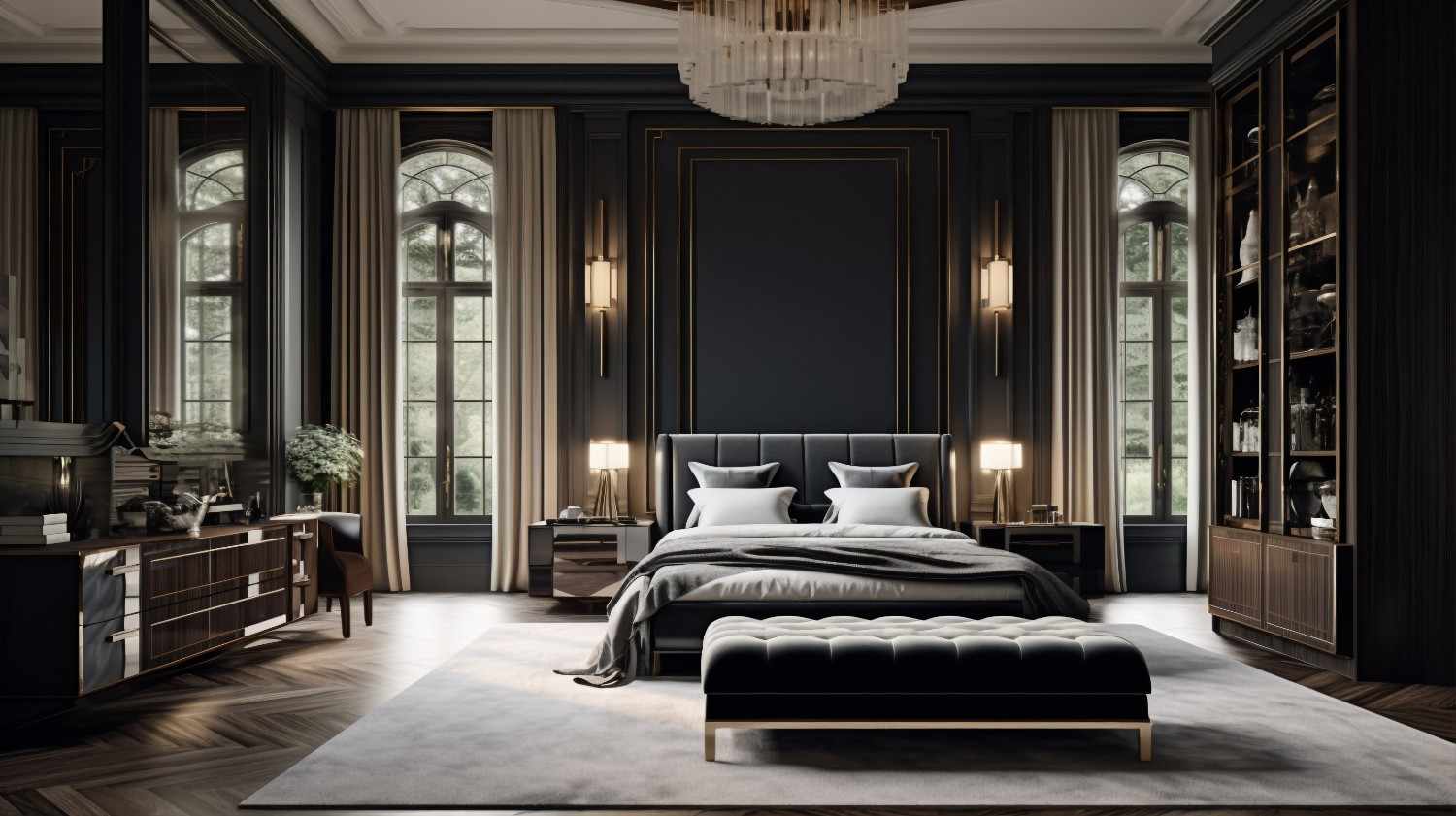
Bedroom Interior Design: A Space to Recharge
Your bedroom should be a peaceful retreat. It should promote relaxation, comfort, and good sleep.
Key bedroom design elements include:
-
Soft and soothing color tones
-
Comfortable bedding and mattress
-
Minimal clutter
-
Gentle, warm lighting
A calm bedroom environment directly impacts your physical and mental well-being.
Kitchen Interior Design: Function Comes First
The kitchen is one of the most used spaces in a home. A good kitchen design focuses on efficiency, storage, and ease of movement.
Important kitchen design factors:
-
Efficient layout for cooking flow
-
Adequate storage solutions
-
Easy-to-clean surfaces
-
Proper lighting and ventilation
A functional kitchen saves time, reduces stress, and makes cooking enjoyable.
Living Room Interior Design: The Heart of the Home
The living room is where families connect and guests are welcomed. Its design should balance comfort and style.
Living room essentials:
-
Comfortable seating arrangement
-
Balanced color scheme
-
Thoughtful lighting
-
Personal décor elements
A well-designed living room feels welcoming, warm, and lively.
Smart Storage Solutions
Clutter disrupts both visual appeal and mental peace. Smart storage solutions help maintain order without compromising design.
Effective storage ideas include:
-
Built-in cabinets
-
Under-bed storage
-
Wall-mounted shelves
-
Hidden storage furniture
Organized spaces feel more open, calm, and functional.
Sustainable and Modern Interior Design Trends
Modern homes are moving towards sustainability and technology-driven solutions.
Popular trends include:
-
Eco-friendly materials
-
Energy-efficient lighting
-
Smart home automation
-
Natural textures and indoor plants
These choices benefit both the environment and long-term living comfort.
Common Interior Design Mistakes to Avoid
-
Ignoring natural light
-
Choosing design over comfort
-
Overfilling rooms with furniture
-
Poor lighting planning
-
Blindly following trends
Timeless design always focuses on function first and aesthetics second.
Final Thoughts
Residential interior design is not about copying what looks good online. It’s about creating a space that truly supports your lifestyle, values, and emotions. When design is thoughtful and intentional, your home becomes a place of comfort, inspiration, and peace.
A beautifully designed home doesn’t just change how it looks—it changes how it feels to live in it.