The Art of Finding the Right Interior Designer: What You Need to Know

The Art of Finding the Right Interior Designer: What You Need to Know

Designing or renovating your home is an exciting yet overwhelming task. Whether you’re looking to update a single room or completely overhaul your entire home, one thing is certain: you’ll need the expertise of a professional interior designer to bring your vision to life. However, finding the right interior designer is not as simple as picking someone with the best portfolio. It’s about finding someone who truly understands your style, your needs, and your budget.

In this blog, we’ll walk you through the essential steps of finding the perfect interior designer for your project. From understanding your needs to evaluating the designer’s qualifications, these tips will help you make an informed decision and create the home of your dreams.


1. Clarify Your Design Needs and Budget

Before you begin your search for an interior designer, it’s important to first define your project goals and set a realistic budget. Knowing what you want and how much you’re willing to spend will help you narrow down your options and make the process smoother.

Steps to Follow:

  • Define Your Vision: Are you looking to redesign a single room, such as a living room or kitchen? Or are you planning an entire home renovation? Be clear about your goals.

  • Set a Budget: Determine a budget range for both design services and the overall project. Include costs for materials, furniture, and labor. This will guide you in finding a designer who works within your financial parameters.

  • Timeline: Decide on your timeline for the project’s completion. Knowing how quickly you need things done will help you identify designers who can meet your deadlines.

A clear understanding of your design needs, budget, and timeline will help you communicate effectively with potential designers and ensure that both you and the designer are on the same page from the start.


2. Research and Find Designers Who Match Your Style

Interior design is highly personal, and every designer has their own style and approach. It’s important to find someone whose aesthetic aligns with your vision for the space. Researching potential designers will help you identify the right fit.

How to Find the Right Designer:

  • Look for Inspiration: Browse design websites, magazines, and social media platforms (like Instagram and Pinterest) for inspiration. Save images of rooms and designs that resonate with your style. This will help you communicate your preferences to potential designers.

  • Check Portfolios: Interior designers often have online portfolios showcasing their past projects. Review their work to see if their style matches your vision. Are they good at creating the atmosphere you want—whether it’s modern, traditional, minimalist, or eclectic?

  • Ask for Recommendations: Word of mouth is often the best way to find a reliable designer. Ask friends, family, or colleagues for recommendations based on their experiences.

By researching and identifying designers who align with your style, you increase your chances of finding someone who can bring your vision to life.


3. Evaluate Experience and Expertise

When it comes to interior design, experience matters. A designer with years of experience in the field is more likely to understand the nuances of space, color, lighting, and furniture, and will have developed a network of trusted suppliers and contractors.

Key Questions to Ask:

  • Years of Experience: How long has the designer been in the business? Have they worked on projects similar to yours (e.g., residential, commercial, full home renovation)?

  • Specialization: Does the designer specialize in the type of design you’re seeking (e.g., modern, rustic, sustainable design)?

  • Certifications and Training: Are they certified by professional organizations like the American Society of Interior Designers (ASID) or the International Interior Design Association (IIDA)?

An experienced designer will not only have a deep understanding of design principles but also the problem-solving skills to tackle unforeseen challenges that may arise during the project.


4. Check for Compatibility and Communication

Your relationship with your interior designer will last throughout the course of the project, so it’s important to find someone you feel comfortable working with. Good communication is key to ensuring your vision is realized and your expectations are met.

What to Look for:

  • Communication Style: Does the designer listen to your ideas and provide feedback in a way that makes you feel heard? A good designer should be open to suggestions but also offer expert advice when needed.

  • Compatibility: Do you feel comfortable discussing your preferences, concerns, and feedback with them? A good working relationship is based on mutual respect and understanding.

  • Problem-Solving: How does the designer handle challenges or changes during the project? Do they seem flexible and adaptable to your needs?

A designer who communicates well and understands your needs is more likely to create a space that reflects your style and meets your functional requirements.


5. Review References and Read Client Testimonials

Once you’ve narrowed down your options, take the time to read client testimonials and ask for references. Hearing about other clients’ experiences will give you insight into the designer’s professionalism, work ethic, and ability to meet deadlines.

How to Check References:

  • Client Reviews: Look for reviews on the designer’s website or third-party platforms like Houzz or Google Reviews. Pay attention to comments about their ability to stick to deadlines, manage budgets, and deliver quality work.

  • Request References: Don’t hesitate to ask for a list of past clients that you can contact. Speak with them to get a clearer idea of what it’s like to work with the designer.

  • Check Social Media: Review their social media profiles for updates on past projects, client interactions, and overall design aesthetic.

Reviews and references provide valuable insight into a designer’s reliability, creativity, and client service.


6. Set Clear Expectations and Agreement

Before you finalize your choice of interior designer, make sure you’re clear about the terms of the project. A written agreement that outlines the scope of work, timeline, budget, and responsibilities will help prevent misunderstandings later on.

What Should Be Included in the Contract:

  • Scope of Work: Clearly define the tasks the designer will handle, such as design conceptualization, furniture selection, and contractor coordination.

  • Budget and Payment Schedule: Outline the agreed-upon budget and the payment structure (e.g., deposits, milestones, final payment).

  • Timeline: Set clear project deadlines and timelines for each phase of the work.

  • Terms for Changes: Make sure there’s a clause that addresses how changes or additions to the original design will be handled.

A formal agreement protects both parties and ensures that the project runs smoothly from start to finish.


Final Thoughts: Finding the Perfect Designer for Your Dream Space

Finding the right interior designer is a crucial step in creating a home that’s functional, beautiful, and uniquely yours. By understanding your needs, setting a realistic budget, evaluating potential designers, and fostering clear communication, you can ensure that your interior design project will be a success.

The right designer will not only bring your vision to life but also guide you through the process, offering expert advice and creative solutions along the way. With the right collaboration, your dream space is just a few steps away.
Maximize Productivity with These Commercial Interior Design Hacks

Maximize Productivity with These Commercial Interior Design Hacks

The design of your commercial space plays a significant role in shaping the productivity, creativity, and overall well-being of your employees. Whether it’s an office, retail store, or co-working space, the way your commercial interiors are arranged can directly impact how effectively work gets done. A well-designed space fosters collaboration, reduces stress, and enhances focus, which ultimately leads to higher productivity.

If you’re looking to create an environment that boosts output and motivates your team, then these commercial interior design hacks are exactly what you need. These simple, cost-effective design tips can help you maximize productivity and create a functional yet inspiring workspace.


1. Embrace Open and Flexible Layouts

An open, flexible layout is one of the most powerful ways to encourage collaboration and increase productivity in commercial spaces. The traditional cubicle setup is being replaced by more open floor plans that allow for better communication and easy flow between different teams and departments.

How It Helps Productivity:

  • Improves Communication: An open layout allows employees to easily communicate and collaborate with each other, which boosts teamwork and creativity.

  • Fosters Innovation: When teams are able to interact freely and share ideas, it sparks innovation and problem-solving.

  • Adaptable Spaces: Flexible layouts allow you to reconfigure spaces quickly as needs change, keeping your business dynamic.

Incorporating communal spaces like large meeting rooms, break areas, and informal meeting corners ensures that employees have space to both collaborate and focus when necessary.


2. Maximize Natural Light for Better Focus

Natural light is a productivity booster—scientific studies have shown that exposure to natural light improves mood, boosts energy levels, and increases focus. Employees working in well-lit spaces are less likely to feel fatigued, and they tend to perform better overall.

Tips for Maximizing Natural Light:

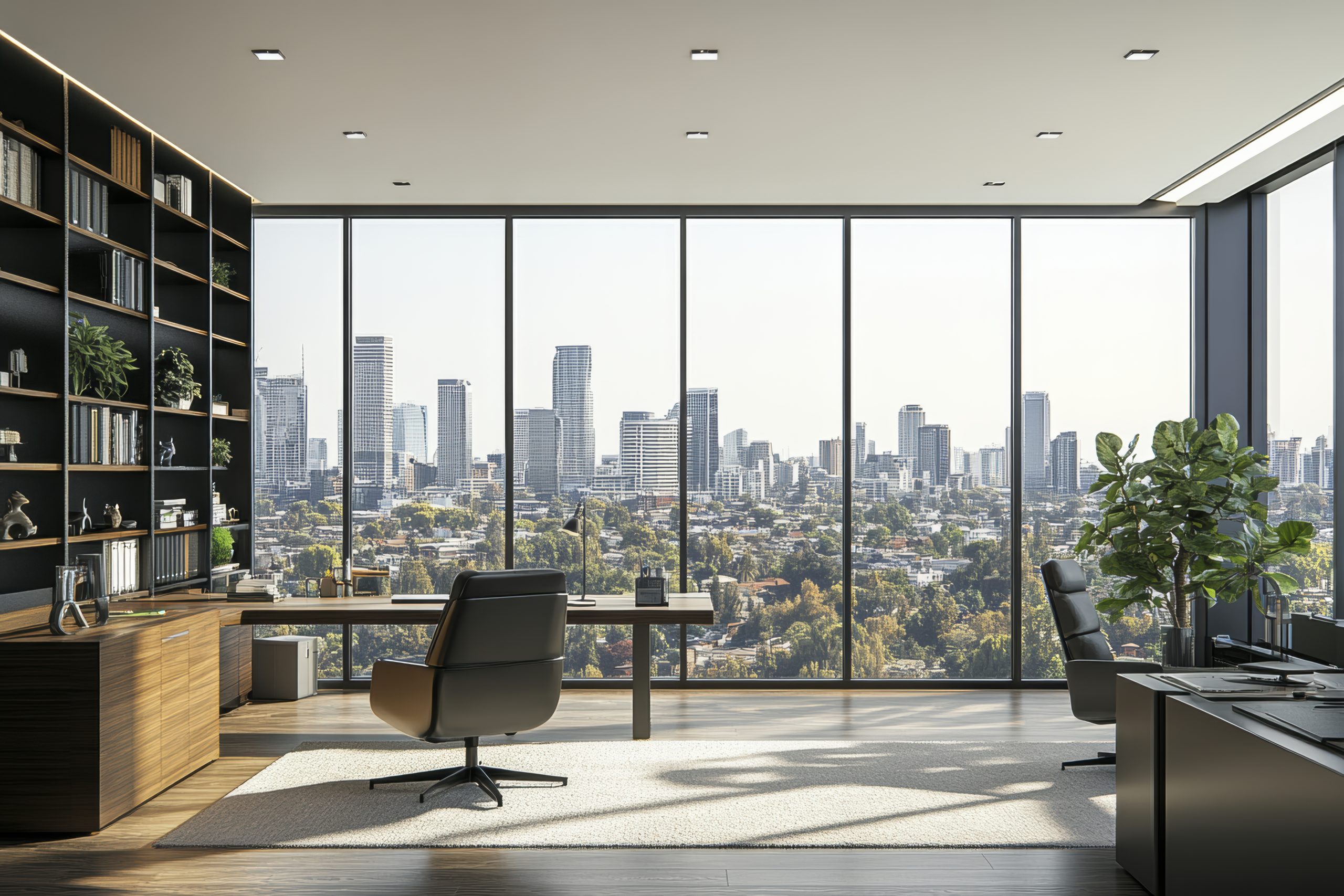
  • Large Windows: Use large windows to allow maximum sunlight into the workspace. If possible, position desks and workstations near windows.

  • Glass Partitions: Replace solid walls with glass partitions to allow light to pass through and brighten darker areas of the office.

  • Open Floor Plans: An open-plan layout lets light reach more areas of the office, helping employees feel energized throughout the day.

When you allow natural light to flood your commercial space, employees will feel more awake, refreshed, and focused, leading to improved productivity.


3. Incorporate Biophilic Design

Biophilic design is all about connecting your workspace to nature, and it’s one of the most effective ways to increase productivity in commercial spaces. Research has shown that integrating natural elements into your office can improve air quality, reduce stress, and enhance cognitive function.

Biophilic Design Ideas:

  • Indoor Plants: Add low-maintenance plants like succulents, ferns, or snake plants throughout the workspace to create a calming atmosphere.

  • Natural Materials: Use wood, stone, or bamboo in furniture and decor to bring in the warmth and tranquility of nature.

  • Living Walls: Create a feature wall of greenery to serve as a focal point and provide a serene atmosphere.

Biophilic design doesn’t just enhance the aesthetic appeal of your space—it also contributes to better mental health and productivity by reducing stress levels and boosting concentration.


4. Choose Ergonomic Furniture to Enhance Comfort

Comfort plays a crucial role in productivity. Employees who spend long hours working in uncomfortable chairs or at poorly designed desks will inevitably experience physical discomfort, leading to fatigue and distraction. Investing in ergonomic furniture helps improve posture, reduce physical strain, and increase comfort throughout the day.

Ergonomic Furniture Tips:

  • Adjustable Chairs: Choose office chairs with adjustable height, lumbar support, and armrests to reduce strain on the back and neck.

  • Standing Desks: Provide standing desk options to allow employees to alternate between sitting and standing throughout the day, which improves circulation and reduces fatigue.

  • Keyboard and Mouse Placement: Ensure that keyboards and mice are placed at a comfortable height to prevent wrist strain and encourage healthy typing posture.

When employees feel physically comfortable, they’re more focused, engaged, and productive, which leads to better work performance.


5. Create Zoned Spaces for Focus and Collaboration

Different tasks require different environments. While some work requires quiet focus, other tasks benefit from collaboration and open discussion. Creating designated zones for both focused work and group activities will allow employees to shift between these different modes without disrupting each other.

How to Create Zones:

  • Quiet Zones: Set up designated quiet areas or private booths for employees who need to concentrate without distractions.

  • Collaborative Zones: Use open spaces, casual seating arrangements, and whiteboards for team brainstorming and collaboration.

  • Break Areas: Create comfortable break rooms or lounges where employees can relax and recharge during the day.

Zoned spaces ensure that employees have the right environment for the task at hand, which improves their ability to focus and work efficiently.


6. Use Color Psychology to Boost Mood and Focus

The colors used in your commercial space can have a significant impact on employee mood and productivity. Color psychology is the study of how different colors affect emotions, energy levels, and focus.

Best Colors for Productivity:

  • Blue: Known for promoting calmness and focus, blue is perfect for workspaces where concentration is key.

  • Green: This color is associated with balance and harmony, and it’s ideal for spaces that encourage creativity and productivity.

  • Yellow: Often used to stimulate creativity and energy, yellow works well in collaborative spaces or creative departments.

  • Gray: A neutral, balanced color that promotes a sense of professionalism and focus, gray is great for meeting rooms and private offices.

Choosing the right colors for your commercial space can create a motivating atmosphere that supports both individual work and team collaboration.


7. Incorporate Technology to Improve Efficiency

Incorporating the right technology into your commercial space can improve efficiency, streamline workflows, and make employees’ jobs easier. With the rise of smart offices, integrating the latest tech tools into your design can take your workspace to the next level.

Tech Features to Boost Productivity:

  • Smart Lighting: Install lighting systems that adjust based on time of day or occupancy to reduce energy consumption and provide optimal lighting.

  • Collaboration Tools: Equip meeting rooms with interactive whiteboards, projectors, or video conferencing tools for seamless collaboration.

  • Automation: Implement automated systems for tasks such as temperature control, lighting, and even cleaning to free up employees from non-essential duties.

Integrating technology into your commercial space helps streamline operations, enhances employee efficiency, and creates a more functional and comfortable environment.


8. Create Inviting Entryways for a Positive First Impression

The entryway to your commercial space is the first impression visitors and clients will have of your business. A well-designed entrance can set the tone for your company’s culture and values, welcoming clients and employees alike.

Entryway Design Tips:

  • Open and Welcoming: Create an entryway that feels open, spacious, and well-lit to make a positive first impression.

  • Branding: Include elements that reflect your company’s identity, such as your logo, brand colors, or mission statement.

  • Functional Furniture: A sleek reception desk, comfortable seating, and informative signage will make the space both functional and inviting.

A thoughtfully designed entryway is the perfect way to set the tone for the rest of the workspace, ensuring that visitors and employees feel welcome and engaged from the moment they walk in.


Final Thoughts: Design for Success

The design of your commercial space is one of the most powerful tools at your disposal to maximize productivity and enhance the overall work environment. By incorporating these commercial interior design hacks, you’ll create a space that promotes focus, creativity, collaboration, and well-being. Whether you’re redesigning your office, opening a retail store, or optimizing a co-working space, these practical design strategies will help you create a workspace that supports both your team and your business goals.

Invest in the right design elements, and watch how it transforms your business from the inside out—boosting productivity and fostering a positive, dynamic work environment.

Your Go-To Guide for Interior Design Based on Vastu Principles

Your Go-To Guide for Interior Design Based on Vastu Principles

Interior design is not just about choosing colors, furniture, and décor—it’s about creating a space that nurtures positivity, harmony, and balance. Vastu Shastra, the ancient Indian science of architecture and spatial alignment, offers a unique approach to designing homes that enhance well-being, prosperity, and tranquility. By following Vastu principles, you can transform your living space into one that attracts good energy, promotes health, and supports your lifestyle goals.

If you’re looking to design or renovate your home with Vastu in mind, this go-to guide will walk you through the key Vastu principles and provide practical tips on how to incorporate them into your interior design. Let’s dive into the world of Vastu to create a space that feels just right.


What Is Vastu Shastra?

Vastu Shastra is an ancient Indian science that governs the design and layout of buildings. The principles of Vastu aim to align structures with natural forces such as earth, water, fire, air, and space (the five elements of nature) to create balance and harmony.

Vastu is based on the belief that our surroundings significantly influence our physical, emotional, and spiritual well-being. By designing spaces that adhere to Vastu principles, we can invite positive energy (or prana) into our homes, leading to health, prosperity, and success.


Why Vastu is Important for Interior Design

Interior design is not just about aesthetics; it’s about how a space feels and functions. Vastu Shastra provides guidelines that ensure the flow of energy in a space is optimal, promoting health, happiness, and positive outcomes.

Incorporating Vastu principles into your home can:

  • Boost energy levels: Proper energy flow enhances physical and mental well-being.

  • Promote peace and tranquility: A balanced home brings calmness, reducing stress and anxiety.

  • Improve relationships: Vastu creates spaces that encourage harmony and bonding within families.

  • Attract prosperity: A Vastu-compliant home supports financial growth and career success.

By blending interior design with Vastu, you create a space that is both visually appealing and energetically supportive.


Vastu Guidelines for Key Areas in Your Home

1. Main Entrance (Doorway): The Gateway to Positive Energy

The main entrance is considered the most important aspect of a Vastu-compliant home because it is believed to be the gateway for energy to enter. The entrance sets the tone for the entire house, so it should be designed thoughtfully.

Vastu Tips for the Main Entrance:

  • Direction: The entrance should ideally face North, East, or Northeast to welcome positive energy. Avoid entrances facing the South or Southwest, as they are considered inauspicious.

  • Clutter-Free: Keep the area around the entrance clean and clear. Avoid placing shoes or garbage near the doorway.

  • Lighting: Ensure the entrance is well-lit to invite positivity. A bright, welcoming entrance creates a sense of warmth and hospitality.


2. Living Room: The Heart of the Home

The living room is a space for relaxation and socialization, making it an essential part of your home’s energy flow. It should be designed to encourage positive interactions and relaxation.

Vastu Tips for the Living Room:

  • Direction: The ideal direction for the living room is the Northeast, as it invites peace and prosperity. If the room is located in the South, avoid placing heavy furniture there.

  • Furniture Placement: Place heavy furniture, such as sofas and chairs, along the South or West walls. Leave the center of the room open for optimal energy circulation.

  • Decor: Use light and soothing colors like white, beige, or pastel shades for the walls. Avoid dark and heavy colors that may create a suffocating environment.


3. Bedroom: A Space for Rest and Rejuvenation

The bedroom is one of the most important areas when it comes to Vastu, as it directly affects your sleep, health, and energy levels.

Vastu Tips for the Bedroom:

  • Direction: The master bedroom should ideally be located in the Southwest corner of the house. The Southeast and Northwest directions should be avoided for the main bedroom.

  • Bed Placement: Place the bed with the head facing South or East. Avoid placing the bed under a beam, as it can lead to mental unrest and disturbed sleep.

  • Colors and Décor: Use calming colors such as soft blues, greens, or neutral tones. Avoid bright or overly stimulating colors like red or black in the bedroom.


4. Kitchen: The Source of Nourishment

In Vastu, the kitchen is associated with the element of fire. Proper alignment of the kitchen ensures good health and prosperity.

Vastu Tips for the Kitchen:

  • Direction: The ideal location for the kitchen is the Southeast, as it corresponds with the fire element. If this is not possible, the Northwest direction can also work.

  • Stove Placement: Place the stove in the Southeast corner of the kitchen and cook while facing East. This is believed to enhance digestion and improve health.

  • Ventilation: Ensure proper ventilation to avoid the accumulation of heat and moisture, which can cause disharmony in the space.


5. Bathroom and Toilet: Essential Spaces to Manage Carefully

Bathrooms and toilets carry the energy of water and waste, so their placement is crucial in maintaining balance within the home.

Vastu Tips for Bathrooms and Toilets:

  • Location: Bathrooms should ideally be placed in the Northwest or West of the house. Avoid placing bathrooms in the Northeast, South, or Southwest corners.

  • Ventilation: Proper ventilation and lighting are necessary to keep the space fresh and energy-efficient. Ensure that there is no dampness or unpleasant odors.

  • Toilet Seats: The toilet seat should be positioned in a way that it faces the South or West for optimal energy flow.


General Vastu Tips for Enhancing Your Home’s Energy Flow

  • Mirrors: Avoid placing mirrors directly in front of doors or windows, as they can reflect positive energy out of the house. Mirrors should be placed on the North or East wall.

  • Clutter-Free Spaces: Clutter disrupts the flow of energy and can lead to negative vibes. Keep spaces organized and clutter-free, especially in high-traffic areas.

  • Natural Light: Maximize natural light in your home, especially in living and work areas, to boost energy levels and create a sense of openness.

  • Indoor Plants: Incorporate indoor plants to enhance the positive energy in your home. Plants like the money plant, bamboo, and tulsi are believed to attract good fortune.


Final Thoughts: Vastu in Interior Design

Incorporating Vastu principles into your interior design is a powerful way to improve the energy and flow of your living space. By aligning your home with the natural elements, you not only create a harmonious environment but also invite prosperity, good health, and happiness into your life. While Vastu is a traditional practice, it is perfectly adaptable to modern homes and can work in harmony with contemporary design styles.

Remember, the key is balance—whether it’s the direction of your furniture, the choice of materials, or the placement of essential rooms. A Vastu-compliant home is one that resonates with positive energy and supports your well-being in every way.

Interior Design Trends for 2025: What’s Hot for Residential Spaces?

Interior Design Trends for 2025: What’s Hot for Residential Spaces?

As we move further into the 2020s, the world of interior design continues to evolve in exciting new directions. Residential spaces are no longer just about functionality and comfort—they are becoming reflections of our values, identities, and aspirations. Whether you’re renovating your current home or building a new one, staying updated on the latest trends is essential to creating a space that feels fresh, stylish, and in tune with your needs.

So, what can you expect in interior design for residential spaces in 2025? From eco-conscious materials to cutting-edge technology, here are the top trends to watch out for that will shape the look and feel of homes in 2025.


1. Sustainability and Eco-Friendly Materials

Sustainability isn’t just a buzzword—it’s a driving force behind many interior design trends in 2025. As more homeowners and designers turn towards eco-conscious living, the demand for sustainable materials and designs is at an all-time high.

Key Sustainable Design Features:

  • Recycled and Upcycled Materials: Furniture and décor items made from recycled wood, metal, or glass are gaining popularity. Upcycling old furniture is not only sustainable but gives your space a unique, one-of-a-kind look.

  • Natural and Organic Materials: Expect to see a rise in natural materials like bamboo, cork, and stone, as well as organic fabrics such as linen and organic cotton.

  • Energy-Efficient Designs: From energy-efficient windows and insulation to solar-powered lighting, homes in 2025 will be more energy-conscious than ever before.

Sustainable design isn’t just about choosing eco-friendly materials; it’s about creating a lifestyle that supports a greener planet while enhancing the beauty and functionality of your home.


2. Smart Home Integration

In 2025, smart homes will become more integrated into the everyday living experience, offering increased convenience, security, and energy efficiency. Technology will blend seamlessly into the design, with devices and systems that are both functional and aesthetically pleasing.

Smart Home Features to Look Out For:

  • Voice-Controlled Systems: More devices, such as lighting, climate control, and security, will be controlled by voice assistants like Amazon Alexa or Google Assistant, allowing for a truly hands-free experience.

  • Smart Furniture: Imagine a couch with built-in charging stations or a coffee table with integrated speakers and wireless charging pads.

  • Automated Lighting and Climate Control: With smart thermostats and lighting systems that adjust according to time of day or your preferences, you’ll have total control over your home’s atmosphere with just a tap on your phone or voice command.

Smart home technology will continue to grow and offer even more seamless integration into residential spaces, making life easier and more energy-efficient.


3. Biophilic Design: Bringing the Outdoors In

Biophilic design, the practice of connecting interiors to nature, will continue to gain popularity in 2025. The idea is simple—by bringing elements of nature into your home, you create a calming and restorative environment that enhances your well-being.

Biophilic Design Ideas:

  • Indoor Gardens and Green Walls: Adding plants or a living green wall in your home helps purify the air and creates a visually stunning focal point.

  • Natural Light: Maximizing natural light through larger windows or strategically placed mirrors will create a sense of openness and connection with the outdoors.

  • Natural Materials: Wooden flooring, stone walls, and rattan furniture create a warm and inviting atmosphere while maintaining a close connection with nature.

With biophilic design, you not only improve the aesthetics of your home but also contribute to better mental health and productivity.


4. Maximalism: Embracing Bold, Vibrant Spaces

While minimalism has dominated the past decade, 2025 will usher in the era of maximalism. Bold colors, extravagant patterns, and layered textures will take center stage, allowing homeowners to express their unique personalities through their interior design.

Maximalism Design Features:

  • Vibrant Color Palettes: Bold, rich colors like deep greens, royal blues, and mustard yellows will dominate residential spaces. Expect to see vibrant accent walls, colored furniture, and playful patterns.

  • Mixed Textures and Patterns: Maximalism encourages the mixing of various textures—velvet cushions on leather sofas, floral curtains paired with geometric rugs, or wood finishes combined with metallic accents.

  • Eclectic Décor: The eclectic style will thrive, where collected items, heirlooms, and unique pieces from different cultures and eras come together to create a rich, layered design.

Maximalism is all about expressing individuality and creativity. It’s about creating a space that feels personal, inviting, and full of character.


5. Multifunctional and Flexible Spaces

As more people work from home and embrace a hybrid lifestyle, flexible and multifunctional spaces will become increasingly important in residential design. Homes in 2025 will feature adaptable layouts that can serve multiple purposes without compromising on comfort or style.

Multifunctional Space Ideas:

  • Convertible Furniture: Look for furniture pieces that can transform to fit different needs—like a sofa that doubles as a bed or a dining table that expands for larger gatherings.

  • Room Dividers and Flexible Layouts: Use movable partitions or folding screens to easily create temporary zones within larger open spaces, whether it’s for work, relaxation, or entertaining.

  • Home Offices: Expect home offices to be seamlessly integrated into other rooms, like living areas or bedrooms, using sleek, space-saving furniture.

Multifunctional spaces provide more utility, ensuring your home can meet your evolving needs without requiring additional square footage.


6. Retro and Vintage Revival

The nostalgia of retro and vintage design will make a major comeback in 2025, especially as more people seek a sense of comfort and familiarity in their spaces. Combining retro aesthetics with modern functionality, this trend brings warmth, personality, and history into the home.

Retro and Vintage Elements:

  • Bold Patterns and Textures: From floral wallpapers to shag rugs, 70s-inspired patterns will make a statement in 2025.

  • Vintage Furniture: Antique furniture pieces will be integrated with contemporary designs, providing a unique contrast and bringing character to any room.

  • Colorful Accents: Bright pops of color, such as mustard yellow, burnt orange, and mint green, will dominate kitchens, bathrooms, and living spaces.

Retro and vintage designs create a timeless feel that blends comfort, nostalgia, and style.


7. Sculptural Furniture and Artful Design

2025 will see furniture and décor take on a more sculptural, art-inspired form. Furniture will become a focal point in itself, with clean lines, abstract shapes, and bold statements.

Sculptural Furniture Trends:

  • Curved and Organic Shapes: Sofas, chairs, and tables will have fluid, organic shapes, departing from rigid, boxy designs.

  • Artistic and Statement Pieces: Furniture will double as art—whether it’s a bold, sculptural coffee table or a statement chandelier that adds personality to your room.

  • Custom Designs: Many people will opt for custom furniture that matches their exact needs, offering a truly one-of-a-kind space.

Sculptural and artful furniture is about merging functionality with creativity, turning ordinary furniture pieces into conversation starters.


Final Thoughts: Embrace Change in 2025

Interior design trends for 2025 are all about creating spaces that feel personal, comfortable, and sustainable. Whether you’re drawn to biophilic design, vibrant maximalism, or smart, multifunctional spaces, the key is to design a home that not only looks good but feels right for you and your family.

As we move into 2025, these trends are paving the way for homes that embrace creativity, sustainability, and well-being. Embrace these exciting new design trends and create a space that feels like your own personal sanctuary.

Revolutionize Your Commercial Space: Interior Design Ideas that Work

Revolutionize Your Commercial Space: Interior Design Ideas that Work

Your commercial space is more than just a place where business happens—it’s a reflection of your brand, your values, and the experience you want to offer clients and employees. A well-designed commercial interior doesn’t only attract attention; it boosts productivity, creates a positive environment, and sets the stage for growth and innovation.

Revolutionizing your commercial space through thoughtful design can completely transform how your team works and how your clients perceive your business. Whether you’re designing a corporate office, retail store, restaurant, or co-working space, here are some practical interior design ideas that will work wonders.


1. Open, Flexible Layouts for Enhanced Collaboration

Gone are the days of cubicles and rigid office layouts. Today’s businesses thrive on flexibility and collaboration. Designing your commercial space with an open layout can encourage communication, boost morale, and foster innovation.

Key Tips:

  • Communal Spaces: Create designated spaces for team collaboration, such as large conference rooms or lounge areas.

  • Breakout Zones: Add casual meeting spots with comfortable seating where employees can brainstorm or relax.

  • Modular Furniture: Use furniture that can be easily rearranged to fit the needs of different teams or meetings.

An open, flexible layout helps your business stay adaptable and promotes a more interactive and dynamic work environment.


2. Maximize Natural Light for a Healthier Environment

Natural light is one of the most effective ways to improve the atmosphere of any commercial space. It reduces stress, boosts productivity, and creates a welcoming environment.

How to Incorporate Natural Light:

  • Floor-to-ceiling windows: Install large windows or glass walls that allow maximum light into your space.

  • Glass Partitions: Replace solid walls with glass partitions to let light flow throughout the space.

  • Reflective Surfaces: Use mirrors or glossy surfaces to reflect natural light and brighten darker corners.

A space filled with natural light promotes a sense of openness and well-being, making it ideal for both employees and customers.


3. Incorporate Biophilic Design for Balance

Biophilic design incorporates natural elements like plants, wood, and stone into your interior design. This connection to nature can have significant benefits for both the mind and body, improving mood, reducing stress, and even enhancing creativity.

Biophilic Design Ideas:

  • Indoor Plants: Incorporate a variety of plants throughout the space to purify the air and add a touch of nature.

  • Living Walls: A green wall can serve as a striking focal point while bringing a burst of natural life into your commercial space.

  • Natural Materials: Use materials such as wood, stone, or bamboo for furniture and finishes to create a warm, earthy atmosphere.

Biophilic design not only enhances aesthetics but also helps employees and clients feel more relaxed and connected to nature.


4. Brand-Centric Design Elements to Strengthen Identity

Your commercial space should be a direct reflection of your brand identity. Every element, from colors to furniture, should work in harmony to communicate your company’s values, vision, and personality.

Key Design Tips:

  • Brand Colors: Use your brand’s color palette throughout your space, from walls and furniture to décor and signage.

  • Logo Placement: Place your company’s logo in strategic spots where it’s visible, but not overwhelming.

  • Unique Features: Incorporate elements that tell your brand story, like custom furniture, wall art, or company history timelines.

Brand-centric design creates an environment that feels cohesive and reinforces the values you stand for, making it easier for clients and employees to connect with your business.


5. Comfortable and Ergonomic Furniture for Employee Well-Being

When it comes to office design, comfort is paramount. Investing in ergonomic furniture will not only increase productivity but will also reduce strain and discomfort for your employees.

Ergonomic Furniture Tips:

  • Adjustable Chairs: Invest in chairs that promote good posture and support the body.

  • Standing Desks: Provide standing desk options to reduce the sedentary nature of traditional office spaces.

  • Lounge Areas: Designate comfortable lounge spaces with sofas and armchairs where employees can take breaks.

Comfortable, ergonomic furniture supports long hours of work without causing discomfort, making employees feel valued and cared for.


6. Optimized Layouts for Customer Engagement (Retail/Showrooms)

For retail spaces, creating an engaging and intuitive layout can significantly impact customer experience and sales. The way your store or showroom is designed affects how customers navigate the space and interact with your products.

Retail Design Ideas:

  • Zoning: Organize products into distinct zones to guide customers and create a logical flow.

  • Focal Points: Create focal points with eye-catching displays or signage to draw attention to featured products.

  • Interactive Spaces: Add touchscreens, demo stations, or interactive displays where customers can experience your products in a hands-on way.

A well-planned commercial space attracts customers, encourages exploration, and makes shopping enjoyable.


7. Sustainability and Eco-Friendly Practices

Sustainability in design is more than just a trend; it’s becoming an expectation. Eco-friendly designs benefit the environment, lower operating costs, and can create a more positive image for your brand.

Sustainable Design Tips:

  • Energy-Efficient Lighting: Install LED lights and motion sensors to reduce energy consumption.

  • Recycled Materials: Use recycled or upcycled materials for furniture and décor items.

  • Sustainable Furniture: Choose sustainable, durable furniture made from eco-friendly materials.

Adopting sustainable practices in your commercial space not only reduces your environmental footprint but also creates a space that clients and employees can feel proud to be a part of.


8. Smart Technology Integration for Convenience and Efficiency

Technology is now an essential part of the workplace. Integrating smart technology can improve efficiency, enhance customer experience, and provide better security for your commercial space.

Smart Technology Ideas:

  • Automated Lighting: Use smart lighting systems that can be adjusted remotely or based on occupancy.

  • Wireless Charging Stations: Install charging stations in common areas where employees and customers can conveniently charge devices.

  • Smart Thermostats: Control temperature and humidity levels remotely for improved energy efficiency.

Integrating smart technology ensures your space is modern, efficient, and ready to accommodate future tech advancements.


Final Thoughts: Creating a Commercial Space that Works

Revolutionizing your commercial space doesn’t require a complete overhaul—it’s about thoughtful design choices that reflect your brand, improve functionality, and enhance the experience for everyone who enters your space. Whether it’s an office, retail store, or restaurant, applying these interior design ideas can completely transform how your business operates and how it’s perceived.

Investing in the right design not only makes your space more attractive but also more efficient, sustainable, and enjoyable for everyone who interacts with it. Start with small changes, and watch as your commercial space becomes a true reflection of your brand’s identity and values.

5 Essential Factors to Consider When Hiring a Residential Interior Designer

5 Essential Factors to Consider When Hiring a Residential Interior Designer

Designing your dream home is an exciting journey that requires careful planning, budgeting, and, most importantly, the right expertise. While DIY might seem tempting, a professional interior designer brings in-depth knowledge, creativity, and experience that transforms your house into a home.

But with so many designers available, how do you choose the right one? Here are 5 essential factors to consider when hiring a residential interior designer that will ensure your project’s success and your ultimate satisfaction.


1. Assess Their Experience and Portfolio

Experience speaks volumes when it comes to interior design. The right designer should not only have the necessary technical skills but also a solid track record of delivering successful projects.

What to look for:

  • Diverse Portfolio: Look at their past projects to see if their style matches your vision. A well-rounded designer will have experience with various styles, from modern minimalism to traditional designs.

  • Relevant Experience: If you’re renovating, make sure they have experience in similar projects. Some designers specialize in specific types of residential spaces, so find one who understands your needs.

  • Client Testimonials: Reading reviews and testimonials can give you insight into their professionalism and customer service. Real feedback from past clients reveals how they manage time, budget, and communication.


2. Understand Their Design Process

Each designer has their own approach to turning ideas into reality. Understanding how they work will ensure your project runs smoothly, and you stay aligned with your vision throughout the design journey.

Key Process Aspects to Consider:

  • Consultation and Briefing: A good designer starts with a consultation to understand your preferences, requirements, budget, and lifestyle. They should listen carefully and guide you to ensure the design aligns with your expectations.

  • Concept Development: Look for a designer who can provide clear design concepts, such as mood boards, 3D visualizations, or sketches. This helps you visualize the final look before making any decisions.

  • Project Management: How involved will they be during the execution phase? Will they coordinate with contractors, vendors, and suppliers? A hands-on approach ensures smoother transitions from design to implementation.


3. Evaluate Their Communication Skills

Interior design is a collaborative process, and clear, consistent communication is key. You want to ensure that the designer not only listens to your ideas but also offers valuable feedback to help improve the project.

Key Communication Considerations:

  • Transparency: The designer should be clear about pricing, timelines, and deliverables from the beginning. They should communicate any potential issues early to avoid surprises later.

  • Responsiveness: How quickly do they respond to emails or calls? Timely communication is crucial, especially when managing deadlines or resolving unexpected problems.

  • Understanding Your Vision: Your designer should be able to translate your thoughts into functional designs that reflect your personality and style.


4. Consider Their Budgeting and Time Management Skills

One of the biggest challenges in interior design is staying within budget and meeting deadlines. A skilled interior designer will not only help you choose the right elements for your home but also ensure the project doesn’t go over budget or miss key deadlines.

Budget and Time Management Tips:

  • Clear Budget Estimates: A good designer will help you understand where to invest more and where to cut costs. They should also have a network of trusted suppliers that offer good value for money.

  • Timelines and Deadlines: A reliable designer should provide a timeline for each stage of the project. Delays can result in extra costs, so it’s important they set realistic deadlines and keep things on track.

  • Contingency Planning: Every project encounters the unexpected. Your designer should plan for unforeseen expenses and communicate them ahead of time, ensuring no financial shocks along the way.


5. Check Compatibility and Personality Fit

The right designer should be someone you feel comfortable working with over an extended period. A successful collaboration relies on mutual respect and a shared vision.

How to Gauge Compatibility:

  • Trust and Rapport: Your designer should not only be skilled but someone you feel comfortable communicating with. You will be working closely together, so trust and mutual respect are essential.

  • Understanding of Your Lifestyle: A designer who understands your lifestyle can create a home that fits your needs. Whether you have young children, work from home, or love entertaining, they should design with your habits in mind.

  • Flexibility: An ideal designer is flexible and open-minded. They should be able to adapt to changes and listen to feedback throughout the process, adjusting designs to suit your evolving preferences.


Final Thoughts: Choose a Designer Who Aligns with Your Vision

Hiring the right residential interior designer is more than just about aesthetics—it’s about forming a partnership that brings your dream home to life. By focusing on these five essential factors—experience, process, communication, budget management, and compatibility—you’ll set yourself up for a successful design journey.

When you choose a designer who understands your vision and can guide you through each step with expertise and professionalism, you’ll end up with a space that feels uniquely yours.

Top Vastu Tips to Create Harmonious Interiors in Your Home

Top Vastu Tips to Create Harmonious Interiors in Your Home

A home is not just built with bricks and walls—it is built with energy. When a house feels calm, positive, and balanced, it supports happiness, health, and success. This is where Vastu Shastra plays a powerful role in interior design.

Vastu is not about superstition. It is an ancient science that focuses on balance between nature, space, and human life. When applied correctly in interior design, Vastu helps create harmonious interiors that promote peace, prosperity, and emotional well-being.

In this blog, we’ll explore the top Vastu tips to create harmonious interiors in your home, explained in a practical and easy-to-follow way.


What Is Vastu Shastra in Interior Design?

Vastu Shastra is an ancient Indian architectural science that guides the placement of rooms, furniture, colors, and elements based on the five natural elements—earth, water, fire, air, and space.

In interior design, Vastu helps:

  • Improve positive energy flow

  • Reduce stress and negativity

  • Enhance health, relationships, and prosperity

  • Create balance between space and lifestyle

You don’t need major reconstruction. Small interior changes can bring noticeable results.


Why Vastu Matters in Modern Homes

Modern apartments may have fixed layouts, but Vastu can still be applied through interiors.

Benefits of Vastu-compliant interiors:

  • Better mental peace and focus

  • Improved sleep and health

  • Stronger family harmony

  • Financial stability

  • A more welcoming home environment

Vastu works silently in the background, shaping how a space feels and functions.


Vastu Tips for Home Entrance (Main Door)

The entrance is the gateway for energy.

Key Vastu tips:

  • Keep the entrance clean, clutter-free, and well-lit

  • Avoid placing dustbins or shoe racks directly in front of the door

  • Use a wooden main door whenever possible

  • Nameplates and doorbells should always be functional

A positive entrance invites positive opportunities into your home.


Living Room Vastu Tips for Positive Energy

The living room is where family members connect and guests are welcomed.

Vastu guidelines:

  • Best direction: North, East, or Northeast

  • Place heavy furniture along the South or West walls

  • Avoid sharp edges pointing toward seating areas

  • Keep the center of the room open and clutter-free

Use calm colors and allow natural light to flow freely for a welcoming vibe.


Bedroom Vastu Tips for Peaceful Sleep

Your bedroom is your personal energy space. Poor Vastu here directly affects sleep and mental peace.

Important tips:

  • Master bedroom should ideally be in the Southwest

  • Sleep with your head facing South or East

  • Avoid mirrors directly facing the bed

  • Keep electronic gadgets to a minimum

Soft colors, minimal décor, and balanced lighting help create emotional calm.


Kitchen Vastu Tips for Health and Prosperity

The kitchen represents fire energy and directly impacts health.

Vastu recommendations:

  • Ideal direction: Southeast

  • Cooking stove should face East

  • Keep water and fire elements separate

  • Avoid clutter and broken utensils

A well-planned kitchen enhances both physical and financial well-being.


Dining Area Vastu Tips for Family Harmony

Meals bring families together. Vastu ensures this bonding remains positive.

Key points:

  • Dining area should be near the kitchen

  • Prefer square or rectangular dining tables

  • Avoid mirrors reflecting the dining table

  • Eat facing East or North

A calm dining space promotes better digestion and relationships.


Bathroom and Toilet Vastu Tips

Bathrooms carry heavy water energy and must be carefully planned.

Vastu tips:

  • Best directions: West or Northwest

  • Keep doors closed when not in use

  • Fix leakage immediately

  • Use light, neutral colors

Good ventilation and cleanliness are essential to prevent negative energy buildup.


Pooja Room Vastu Tips for Spiritual Balance

The pooja room is the most sacred space in the house.

Guidelines:

  • Best direction: Northeast

  • Place idols facing West or East

  • Keep the space clean and clutter-free

  • Avoid placing it near bathrooms or bedrooms

A Vastu-aligned pooja room strengthens inner peace and positivity.


Vastu Tips for Furniture Placement

Furniture placement affects energy flow more than people realize.

Best practices:

  • Avoid blocking windows and doors

  • Heavy furniture should be placed in South or West zones

  • Keep walkways open

  • Avoid broken or unused furniture

Balanced furniture placement creates smooth movement and harmony.


Vastu-Approved Colors for Interiors

Colors influence emotions and energy levels.

Suggested colors by direction:

  • North: Green shades (growth and money)

  • East: Light yellow or white (clarity and freshness)

  • South: Soft red or peach (strength)

  • West: Blue or grey (stability)

Avoid overly dark shades in small or low-light spaces.


Plants and Décor as per Vastu

Plants enhance positivity when used correctly.

Best Vastu plants:

  • Money plant

  • Tulsi

  • Bamboo

  • Areca palm

Avoid thorny plants indoors. Use décor items that evoke calmness and positivity.


Common Vastu Mistakes to Avoid

  • Cluttered corners

  • Broken mirrors or clocks

  • Poor lighting

  • Incorrect bed or stove placement

  • Ignoring ventilation

Small corrections can make a big difference in energy flow.


Can Vastu Be Applied Without Structural Changes?

Yes. Most Vastu issues can be balanced through:

  • Furniture rearrangement

  • Color correction

  • Lighting improvement

  • Décor placement

Vastu works best when blended smartly with modern interior design.


Final Thoughts

Vastu Shastra is about creating harmony between your home and your life. When interiors are designed with balance, intention, and positivity, your home becomes more than a living space—it becomes a source of strength.

You don’t need perfection. Even small Vastu-aligned changes can transform how your home feels every day.

A harmonious home creates a harmonious life.

How to Find the Perfect Interior Designer for Your Dream Home

How to Find the Perfect Interior Designer for Your Dream Home

Designing your dream home is one of the most exciting journeys you’ll ever take. It’s where your lifestyle, personality, and long-term comfort come together. But the success of this journey depends heavily on one important decision—choosing the right interior designer.

The perfect interior designer doesn’t just make your home look beautiful. They understand your vision, respect your budget, solve problems creatively, and turn ideas into a space that truly feels like home. This guide will walk you step by step through how to find an interior designer who aligns perfectly with your dream.


Understand Your Needs Before You Start Searching

Before reaching out to any interior designer, you need clarity about what you want. Many homeowners skip this step and end up confused or disappointed later.

Ask yourself:

  • Are you designing a new home or renovating an existing one?

  • Do you want full-home interior design or only specific rooms?

  • What is your preferred design style?

  • What is your realistic budget?

  • What is your expected timeline?

When you understand your needs clearly, it becomes easier to communicate and evaluate designers effectively.


Decide Your Interior Design Style

Interior designers specialize in different styles. Knowing your preferred aesthetic helps you shortlist the right professionals.

Common interior design styles include:

  • Modern and minimalist

  • Contemporary

  • Traditional

  • Scandinavian

  • Luxury and premium

  • Industrial

You don’t need expert knowledge—just gather inspiration from homes you love. This gives the designer a strong direction to work with.


Set a Clear Budget Range

Budget clarity is essential. A professional interior designer can work within various budgets, but only if expectations are clear from the beginning.

Your budget should include:

  • Design fees

  • Furniture and materials

  • Lighting and fixtures

  • Carpentry and customization

  • Contingency for unexpected costs

Being transparent about your budget builds trust and avoids future conflicts.


Research and Shortlist Interior Designers

Once your requirements are clear, start researching interior designers.

Ways to find reliable designers:

  • Google search and local listings

  • Social media platforms

  • Recommendations from friends or family

  • Visiting completed homes or model apartments

Shortlist designers whose work style matches your vision. Quality, consistency, and attention to detail matter more than flashy designs.


Check Their Portfolio Carefully

A designer’s portfolio tells you more than words ever can. Don’t just look at how beautiful the designs are—look deeper.

Evaluate:

  • Variety of projects

  • Space planning skills

  • Color balance and lighting

  • Practical use of space

  • Attention to detail

A good portfolio shows both creativity and functionality.


Experience and Expertise Matter

Experience brings problem-solving ability. An experienced interior designer knows how to manage vendors, materials, timelines, and on-site challenges.

Ask about:

  • Years of experience

  • Types of residential projects handled

  • Team structure

  • Turnkey or design-only services

Experience ensures smoother execution and fewer surprises.


Understand Their Design Process

Every professional interior designer follows a process. Understanding this helps you know what to expect.

A typical process includes:

  • Initial consultation

  • Concept and layout planning

  • 3D design or mood boards

  • Material and finish selection

  • Execution and site coordination

Clear processes indicate professionalism and accountability.


Communication Is the Key to Success

Interior design is a collaborative journey. Your designer should listen carefully, explain clearly, and respond on time.

Notice:

  • How well they understand your ideas

  • Whether they suggest improvements respectfully

  • How transparent they are about challenges

Good communication prevents misunderstandings and ensures your vision is respected.


Read Reviews and Client Testimonials

Past client feedback gives you real insight into how the designer works.

Look for reviews that mention:

  • Timely project completion

  • Budget management

  • Design quality

  • Professional behavior

  • Post-project support

Consistent positive feedback is a strong trust signal.


Ask the Right Questions Before Finalizing

Before making a final decision, ask important questions such as:

  • What services are included in the package?

  • How are changes handled during execution?

  • Who will manage the site daily?

  • What is the expected project timeline?

  • What happens in case of delays?

Clear answers help you avoid future stress.


Understand the Contract and Deliverables

Never start work without a clear written agreement.

The contract should mention:

  • Scope of work

  • Payment milestones

  • Project timeline

  • Materials and specifications

  • Warranty and after-service

A transparent contract protects both you and the designer.


Don’t Choose Based on Price Alone

Choosing the cheapest option often leads to compromises in quality and experience. Interior design is a long-term investment in your comfort and lifestyle.

Focus on:

  • Value over cost

  • Design quality

  • Reliability

  • Long-term durability

The right designer saves money by avoiding mistakes and rework.


Trust the Professional, But Stay Involved

While it’s important to trust your designer’s expertise, staying involved ensures the project stays aligned with your expectations.

Stay updated through:

  • Regular site visits

  • Progress updates

  • Design approvals

A healthy balance between trust and involvement creates the best results.


Red Flags to Watch Out For

Avoid designers who:

  • Promise unrealistic timelines

  • Avoid discussing budgets clearly

  • Lack proper documentation

  • Refuse to show past work

  • Poorly communicate

Spotting red flags early saves time and money.


Final Thoughts

Finding the perfect interior designer is not just about aesthetics—it’s about partnership. The right designer understands your dreams, respects your budget, and transforms your ideas into a home you’ll love for years.

Take your time, ask the right questions, and trust your instincts. When you choose wisely, your dream home becomes more than a design—it becomes a reflection of you.

Transform Your Home: The Ultimate Guide to Residential Interior Design

Transform Your Home: The Ultimate Guide to Residential Interior Design

Your home is not just a structure made of walls and rooms—it is a personal space that reflects who you are, how you live, and what you value. Residential interior design plays a crucial role in shaping this experience. A well-designed home doesn’t just look good; it feels right. It supports your daily routine, improves comfort, and creates an environment where you can truly relax and grow.

This guide will help you understand residential interior design in depth and show you how thoughtful design decisions can completely transform your living space.


What Is Residential Interior Design?

Residential interior design focuses on designing private living spaces such as apartments, villas, bungalows, and independent houses. The purpose is to create interiors that are functional, comfortable, aesthetically pleasing, and deeply personal.

Unlike commercial interiors, residential design prioritizes:

  • Emotional comfort

  • Lifestyle needs

  • Family dynamics

  • Personal taste

Every design decision—from furniture placement to lighting—should enhance how you live in your home every day.


Why Residential Interior Design Is Important

Many homeowners believe interior design is only about decoration. In reality, it directly affects your mental well-being, productivity, and quality of life.

A well-designed home can:

  • Reduce stress and mental fatigue

  • Improve movement and functionality

  • Enhance natural light and ventilation

  • Make small spaces feel more spacious

  • Increase property value

When your surroundings are well-organized and visually pleasing, your mind feels calmer and more focused.


Understanding Your Lifestyle Before Designing

Before selecting colors, furniture, or layouts, it’s important to understand how you use your home.

Ask yourself:

  • Do you work from home?

  • Do you entertain guests often?

  • Is the home for a family, a couple, or an individual?

  • Do you need more storage or open space?

Residential interior design should always be lifestyle-driven. A beautiful home that doesn’t support your daily habits will never feel comfortable.


Popular Residential Interior Design Styles

Choosing a design style gives direction and consistency to your home.

Modern Style

Modern interiors focus on clean lines, open spaces, neutral colors, and minimal décor. This style is ideal for urban homes and people who prefer a sleek, clutter-free environment.

Minimalist Style

Minimalism is about simplicity and clarity. It uses fewer colors, essential furniture, and open layouts to create calm and balance.

Scandinavian Style

This style combines simplicity with warmth. Light colors, wooden textures, natural materials, and cozy elements make the space inviting and comfortable.

Traditional Style

Traditional interiors emphasize rich textures, classic furniture, detailed finishes, and cultural elements. This style is timeless and elegant.

Contemporary Style

Contemporary design evolves with trends. It blends modern elements with current materials, colors, and forms.

You can also combine styles to create a unique and personalized interior.


Space Planning: The Foundation of Good Design

Space planning determines how efficiently your home functions. It involves organizing furniture, walkways, and activity zones to ensure smooth movement and comfort.

Key principles of good space planning:

  • Clear pathways for movement

  • Proper furniture proportions

  • Balanced room layouts

  • Defined areas for specific activities

Effective space planning prevents overcrowding and ensures every room feels open and usable.


Choosing the Right Color Palette

Colors have a powerful impact on mood and perception. The right color palette can make a room feel larger, brighter, calmer, or warmer.

Tips for selecting colors:

  • Neutral shades create timeless and flexible interiors

  • Light colors make small rooms appear bigger

  • Warm tones create comfort and coziness

  • Cool tones promote calmness and relaxation

Always test colors in different lighting conditions before finalizing them.


Furniture Selection: Comfort Meets Function

Furniture is not just about appearance—it defines how you use your space.

When choosing furniture:

  • Match furniture size to room dimensions

  • Prioritize comfort and durability

  • Avoid overcrowding

  • Choose multifunctional furniture for smaller homes

Well-chosen furniture enhances both the beauty and usability of your home.


Lighting Design: Setting the Mood

Lighting plays a major role in how a space feels. Even the most beautifully designed room can feel dull without proper lighting.

There are three main types of lighting:

  • Ambient lighting for overall brightness

  • Task lighting for specific activities

  • Accent lighting to highlight features

A combination of all three creates a warm, balanced, and inviting atmosphere.


Bedroom Interior Design: A Space to Recharge

Your bedroom should be a peaceful retreat. It should promote relaxation, comfort, and good sleep.

Key bedroom design elements include:

  • Soft and soothing color tones

  • Comfortable bedding and mattress

  • Minimal clutter

  • Gentle, warm lighting

A calm bedroom environment directly impacts your physical and mental well-being.


Kitchen Interior Design: Function Comes First

The kitchen is one of the most used spaces in a home. A good kitchen design focuses on efficiency, storage, and ease of movement.

Important kitchen design factors:

  • Efficient layout for cooking flow

  • Adequate storage solutions

  • Easy-to-clean surfaces

  • Proper lighting and ventilation

A functional kitchen saves time, reduces stress, and makes cooking enjoyable.


Living Room Interior Design: The Heart of the Home

The living room is where families connect and guests are welcomed. Its design should balance comfort and style.

Living room essentials:

  • Comfortable seating arrangement

  • Balanced color scheme

  • Thoughtful lighting

  • Personal décor elements

A well-designed living room feels welcoming, warm, and lively.


Smart Storage Solutions

Clutter disrupts both visual appeal and mental peace. Smart storage solutions help maintain order without compromising design.

Effective storage ideas include:

  • Built-in cabinets

  • Under-bed storage

  • Wall-mounted shelves

  • Hidden storage furniture

Organized spaces feel more open, calm, and functional.


Sustainable and Modern Interior Design Trends

Modern homes are moving towards sustainability and technology-driven solutions.

Popular trends include:

  • Eco-friendly materials

  • Energy-efficient lighting

  • Smart home automation

  • Natural textures and indoor plants

These choices benefit both the environment and long-term living comfort.


Common Interior Design Mistakes to Avoid

  • Ignoring natural light

  • Choosing design over comfort

  • Overfilling rooms with furniture

  • Poor lighting planning

  • Blindly following trends

Timeless design always focuses on function first and aesthetics second.


Final Thoughts

Residential interior design is not about copying what looks good online. It’s about creating a space that truly supports your lifestyle, values, and emotions. When design is thoughtful and intentional, your home becomes a place of comfort, inspiration, and peace.

A beautifully designed home doesn’t just change how it looks—it changes how it feels to live in it.

Residential Interior Designers in Ahmedabad

Residential Interior Designers in Ahmedabad – Transforming Homes with Makan Interio

Introduction

Ahmedabad, the city of heritage and modern innovation, has seen a rising demand for residential interior designers. Homeowners today are looking for designs that balance style, comfort, and functionality. This is where Makan Interio, one of the leading residential interior designers in Ahmedabad, steps in — blending creativity with practicality to craft stunning living spaces.


Why Choose Professional Residential Interior Designers in Ahmedabad

Hiring residential interior designers is no longer a luxury — it’s an investment. Here’s why working with a professional like Makan Interio makes a difference:

  • Personalized Designs: Every home is unique. Designers understand your lifestyle and preferences to create a space that truly feels yours.

  • Space Optimization: They use smart layouts to ensure every inch of your home is functional.

  • Access to Quality Materials: Professionals have connections with top suppliers for premium finishes at better prices.

  • Cost & Time Efficiency: Avoid costly mistakes and save time with expert guidance.

  • Latest Trends: Stay ahead with modern designs, smart home concepts, and sustainable interiors.


Top Trends by Residential Interior Designers in Ahmedabad

1. Minimalist Living Spaces

Clean lines, muted tones, and clutter-free spaces are trending. Makan Interio creates minimalist homes that feel spacious and calming while maintaining functionality.

2. Sustainable Interiors

Eco-friendly materials like bamboo, recycled wood, and energy-efficient lighting are in high demand. Sustainability is no longer just an option — it’s a priority for conscious homeowners.

3. Smart Homes

From automated lighting to voice-controlled devices, technology is redefining modern residential interiors. Makan Interio integrates these innovations seamlessly for a smarter lifestyle.

4. Biophilic Design

Bringing nature indoors with vertical gardens, natural light, and earthy tones connects your home with the environment while creating a serene vibe.

5. Multi-Functional Furniture

With compact urban homes, space-saving furniture like sofa-cum-beds and modular storage systems is a must-have for efficient living.


How Makan Interio Elevates Your Residential Space

As a trusted residential interior designer in Ahmedabad, Makan Interio stands out because of:

  • Tailored Solutions: Every design reflects your personality and needs.

  • Expert Craftsmanship: Skilled artisans ensure quality finishes that last.

  • End-to-End Service: From concept and planning to execution and finishing, everything is handled seamlessly.

  • Transparent Pricing: No hidden costs — just honest and competitive rates.

  • Client-Centric Approach: Your satisfaction is always the priority.


Popular Residential Interior Styles in Ahmedabad

1. Contemporary Design

Perfect for those who love a sleek and elegant look, featuring modern furniture and muted color palettes.

2. Traditional Gujarati Style

Rich in culture, this style features carved wooden furniture, vibrant textiles, and intricate patterns.

3. Fusion Design

A mix of modern minimalism and traditional accents — ideal for homeowners who want the best of both worlds.

4. Industrial Style

Exposed brick walls, metal accents, and rustic wood bring a chic, urban feel to your home.


Steps to Get Started with Residential Interior Designers

  1. Consultation – Meet the experts at Makan Interio to discuss your vision and requirements.

  2. Concept Design – Explore mood boards and 3D models to visualize your dream home.

  3. Budget Planning – Get a detailed plan that aligns with your budget without compromising quality.

  4. Execution – Watch your home transform with expert craftsmanship.

  5. Final Styling – The finishing touches bring your design to life.


Why Ahmedabad Prefers Makan Interio

With years of expertise, Makan Interio has transformed countless homes across Ahmedabad. Whether it’s a luxury villa, a modern apartment, or a compact studio, their innovative designs and commitment to excellence set them apart as the best residential interior designers in Ahmedabad.


Tips for a Smooth Residential Makeover

  • Define Your Style: Know your preferences before starting.

  • Set a Realistic Budget: Plan finances early to avoid surprises.

  • Stay Open to Ideas: Trust your designer’s expertise.

  • Communicate Clearly: Regular updates keep the project on track.

  • Prioritize Quality: Good design is an investment in durability and comfort.


Conclusion

When it comes to residential interior designers in Ahmedabad, Makan Interio is a name you can trust. From innovative designs to flawless execution, they turn houses into dream homes, ensuring every corner reflects your personality and lifestyle.

Book Free Consultation Today!

Yes, send me updates via WhatsApp